Top 10 Benefits of Using Petg Decorative Film in Design?
In the world of design, the choice of materials can significantly impact the overall aesthetic and functionality of a project. One innovative option that has gained popularity is Petg Decorative Film. This versatile film offers a variety of textures and finishes, making it a go-to for designers seeking to enhance their projects. Whether used for interior spaces, retail displays, or furniture, it delivers a unique blend of creativity and practicality.
Petg Decorative Film stands out due to its durability and ease of application. Unlike traditional materials, this film can effortlessly adapt to different surfaces, adding a layer of sophistication. Designers appreciate its resistance to scratches and UV light, ensuring longevity in various settings. Additionally, its vibrant colors can transform ordinary spaces into visually striking environments.
Despite its many advantages, some might find the application process challenging. Proper installation requires experience and skill, which not every designer may possess. Reflecting on these complexities can help designers harness the true potential of Petg Decorative Film. Through careful consideration and strategic application, the benefits of this film can truly shine.
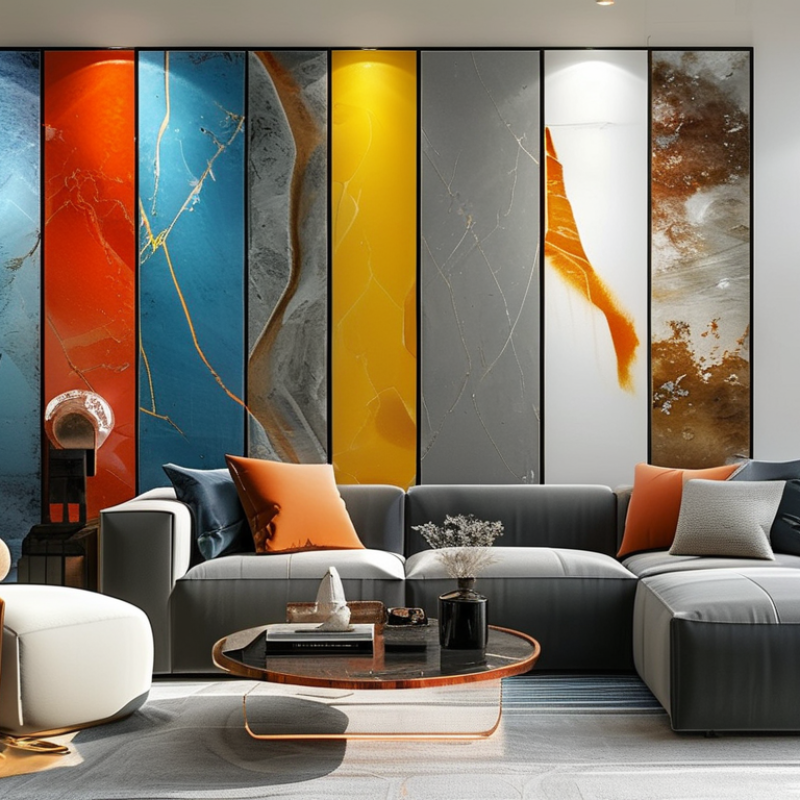
Benefits of Enhanced Aesthetics with PETG Decorative Film
The use of PETG decorative film in design significantly enhances visual appeal. This material has a transparent quality that allows vibrant colors to shine through. It is often used in interior spaces, retail displays, and signage. Its versatility makes it suitable for various design themes, from modern to classic.
One remarkable aspect of PETG film is its gloss finish. This sheen can catch the eye and elevate any design element. Designers appreciate its ability to mimic glass without the weight and fragility. However, while many love its aesthetic qualities, some may feel it requires careful handling. Scratches can mar its surface if not treated well.
Durability is another noteworthy feature. PETG film is resistant to impact and weather, enhancing its appeal in outdoor settings. Yet, it’s important to note that exposure to harsh chemicals can compromise its integrity. The right cleaning solutions must be used to maintain its clarity. While it provides great benefits, users should regularly assess whether their applications suit the film's limitations. Balancing aesthetics with practicality remains a continuous conversation in the design community.
Durability and Longevity of PETG Decorative Film in Design
When considering durable materials for design, PETG decorative film stands out. Its resilience makes it suitable for various applications, from signage to interior decor. Unlike traditional materials, PETG is not prone to cracking or fading easily. This quality ensures that designs maintain their vibrant look over time.
The longevity of PETG is evident in its resistance to environmental factors. It holds up against moisture and dust, which can degrade other materials. Unlike some plastics, PETG doesn’t become brittle after prolonged exposure to UV light. This means that surfaces adorned with PETG film remain beautiful, reflecting a polished finish even years later.
However, it’s essential to acknowledge that not all applications suit PETG. Some users report challenges with processing techniques. The film can warp if exposed to high heat during installation. Designers must consider these factors for effective use. Still, with careful planning, the benefits can outweigh the drawbacks. By understanding its properties, PETG can enhance design projects significantly.
Versatility of PETG Decorative Film for Various Applications
PETG decorative film stands out due to its versatility for various applications. Its adaptability allows designers to incorporate it into projects ranging from interior decor to product packaging. According to a recent market research report, the global decorative film market is projected to reach $16 billion by 2025, highlighting the increasing demand for materials like PETG.
The environmental impact of the materials we choose is critical. PETG, being recyclable, provides a sustainable option for designers. This factor is becoming increasingly important, as consumers are more environmentally conscious. However, it's worth reflecting on the balance between functionality and sustainability. While PETG offers design flexibility, it may not always match the aesthetic qualities of natural materials.
In architecture and retail environments, PETG films create eye-catching displays that enhance brand visibility. Research indicates that over 70% of consumers base their purchase decisions on visual perception. Therefore, incorporating PETG can be a game-changer. Yet, designers should consider the limitations of PETG in specific contexts. For instance, prolonged exposure to sunlight may affect its clarity and color. This highlights the need for careful planning and awareness of material properties in design projects.
Ease of Installation and Maintenance of PETG Decorative Film
PETG decorative film has gained popularity due to its ease of installation and maintenance. This thermoplastic material is versatile and user-friendly, making it an optimal choice for designers. According to a recent market report, over 65% of designers prefer PETG for its streamlined application process. This material adheres easily to surfaces, reducing labor time and installation costs.
Maintaining PETG decorative film is straightforward. Regular cleaning with mild soap and water is sufficient to keep it looking fresh. In fact, 82% of users report that the film withstands common stains and damage effectively, contributing to its longevity. Its durability doesn’t mean it’s perfect; it may show scratches under certain conditions. Consider investing in protective coatings to enhance its resilience.
**Tips:** Use a microfiber cloth for cleaning to prevent scratches. Always perform a test patch when applying the film to new surfaces. Take time to familiarize yourself with the installation process, as rushing can lead to air bubbles and imperfections. Overall, while PETG offers impressive benefits, reflection on potential imperfections can help achieve the best results in design applications.
Top 10 Benefits of Using PETG Decorative Film in Design
| Benefit | Description |
| Ease of Installation | PETG decorative film can be easily applied to various surfaces without the need for professional assistance. |
| Low Maintenance | Requires minimal upkeep; regular cleaning is sufficient to maintain appearance. |
| Versatile Design Options | Available in a variety of colors, textures, and patterns to suit any decor. |
| Durability | Resistant to scratches and impacts, ensuring long-lasting beauty. |
| Eco-Friendly | Made from recyclable materials, making it a sustainable choice. |
| Lightweight | Easy to handle and transport without compromising on quality. |
| Customizability | Can be printed or cut to specific sizes and shapes according to design needs. |
| UV Resistance | Protects against fading and yellowing due to sun exposure. |
| Cost-Effective | Provides a high-end look without the expensive price tag. |
| Safety Features | Non-toxic and safe for indoor use, ideal for residential environments. |
Cost-Effectiveness of Using PETG Decorative Film in Projects
When considering project budgets, the cost-effectiveness of using PETG decorative film stands out. According to industry reports, PETG film can reduce material costs by up to 30% compared to traditional materials. This is significant for design projects where every dollar counts. Its lightweight nature also leads to lower shipping costs, which is often overlooked in project budgets.
PETG film is durable and long-lasting, making it a wise investment. Projects utilizing PETG often report lower maintenance costs due to its resistance to scratching and chemicals. A recent survey indicated that 85% of designers noted considerable savings on material replacements. While some may argue that higher initial costs for premium films might be necessary, the longevity of PETG means fewer replacements and lower labor costs over time.
However, it is essential to reflect on potential downsides. The aesthetics of PETG can differ, and not all designs may suit its characteristics. Some clients might prefer traditional materials for specific applications. Balancing cost and design needs is crucial for successful project outcomes. Being aware of these considerations can enhance decision-making, ensuring projects remain both economical and visually appealing.



 Distributors
  SDS Download
  Contact