Top 10 Benefits of CNC Vertical Machining Centers for Buyers?
In today's competitive manufacturing landscape, the importance of precision and efficiency cannot be overstated. According to a report by the International Federation of Robotics, CNC Vertical Machining Centers have become essential tools for modern manufacturers. These advanced machines enhance production capabilities while minimizing human error. The market for CNC machines is projected to reach over $100 billion by 2025, reflecting their growing significance.
CNC Vertical Machining Centers offer numerous advantages, including increased accuracy and repeatability. Industries rely on them for complex part production, as these centers can handle intricate designs with ease. In fact, data indicates that companies utilizing CNC technology have experienced up to 30% reductions in production time.
However, investing in CNC Vertical Machining Centers also comes with challenges. Initial costs may be high, and there can be a learning curve for operators. Businesses must weigh these factors against the long-term benefits. The decision requires careful consideration of production needs, skillsets, and budgetary constraints. Understanding these dynamics is crucial for buyers looking to optimize their machining processes.
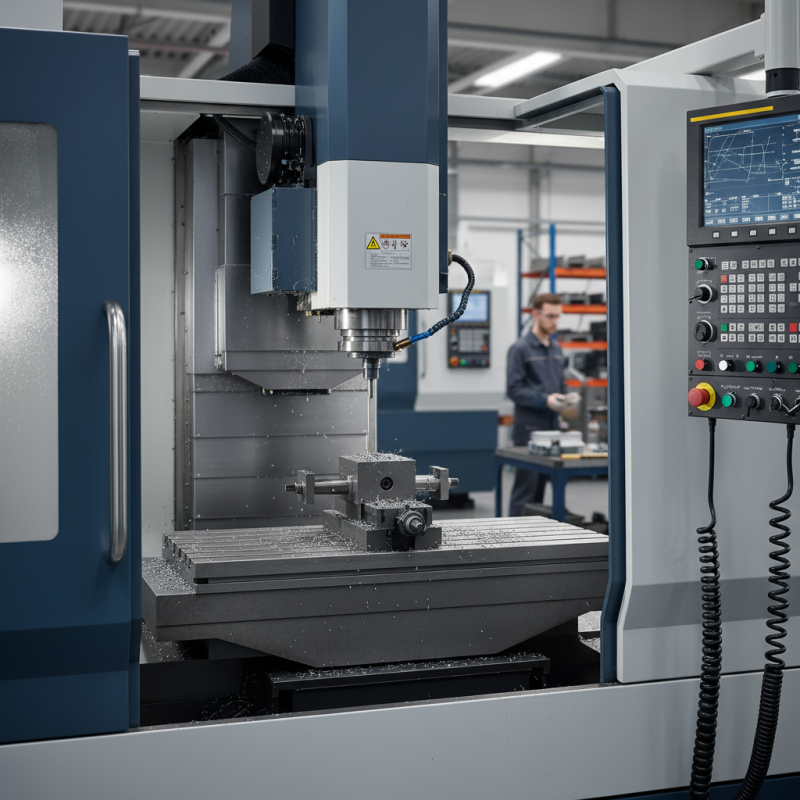
Overview of CNC Vertical Machining Centers
CNC vertical machining centers are revolutionizing the manufacturing landscape. These machines offer precise machining capabilities for various materials, including metals and plastics. With advanced technology, they ensure high-dimension accuracy and repeatability. This precision significantly enhances product quality, allowing manufacturers to meet stringent tolerances.
Moreover, the setup for CNC vertical machining centers is often quicker than traditional methods. Operators can switch from one project to another with minimal downtime. This flexibility boosts productivity in busy manufacturing environments. However, the complexity of programming these machines may pose challenges for less experienced operators. Skilled personnel are essential to maximize their potential and prevent costly errors.
Despite their benefits, CNC vertical machining centers may require significant upfront investment. This cost can be a barrier for small businesses. Additionally, maintenance needs are crucial. Regular checks and updates can prevent inefficiencies and extend machine life. Buyers must weigh these considerations against potential productivity gains. Understanding the balance between investment and return is key for success.
Enhanced Precision and Accuracy in Manufacturing
CNC vertical machining centers have transformed manufacturing, especially through enhanced precision and accuracy. Studies indicate that precision in machining can lead to significant reductions in production errors. Reports show that using CNC machines can improve accuracy by up to 50% compared to traditional methods. This is crucial for industries where even slight deviations can lead to costly rework or product failure.
Vertical machining centers offer high repeatability. They can produce complex parts with tight tolerances consistently. For example, aerospace components often require tolerances within ±0.001 inches. CNC technology ensures these specifications are met regularly. However, achieving this level of precision demands a skilled workforce and proper calibration of machinery, which can be challenging for some facilities.
Moreover, these machining centers enable different materials to be processed effectively. They are efficient with metals, plastics, and composites. Yet, the versatility can lead to trial-and-error sessions. Understanding how each material reacts during machining is essential. Continuous training and adaptation are necessary for maintaining the desired quality levels. Industries must balance technology investment with workforce development to truly benefit from CNC vertical machining centers.
Increased Production Efficiency and Speed
CNC vertical machining centers play a critical role in modern manufacturing. They enhance production efficiency significantly, allowing for faster job completion and reduced idle time. These machines automate many processes, cutting down labor costs while improving precision. Operators can focus more on oversight rather than manual tasks. The result? Faster turnaround times for orders, which can be crucial in competitive markets.
Efficiency also stems from their ability to handle complex components with ease. Vertical machining centers can make multiple operations in a single setup. This eliminates the need for part transfers between machines. Quality consistency also improves, as fewer human hands touch the components. Even with these advantages, not all operations are perfect. Some challenges arise, such as the initial costs of investment and the need for skilled operators. Companies must weigh these factors carefully to maximize benefits.
Speed is not just about faster machines. It’s about streamlining workflows and optimizing processes. Some organizations overlook the maintenance aspect, which can hinder performance over time. Regular service and parts replacement are vital for sustaining efficiency. While CNC vertical machining centers offer impressive benefits, constant evaluation is essential for long-term success in production.
Versatility in Material Handling and Complex Designs
CNC vertical machining centers offer remarkable versatility when it comes to handling various materials and executing complex designs. These machines can efficiently process metals, plastics, and composites, which makes them indispensable in many industries. According to a report by Grand View Research, the CNC machine tool market is expected to reach $100 billion by 2025, showcasing the growing importance of efficient machining solutions.
One of the standout features of CNC vertical machining centers is their ability to produce multifaceted components with high precision. They can effortlessly create intricate designs, such as geometric shapes and tight tolerances that manual machining struggles to achieve. However, achieving high-quality output requires skilled operators who understand programming and machine setup. Without this skilled labor, even the best technology can fall short, leading to inconsistent results.
The adaptability of these machines allows manufacturers to respond swiftly to market demands. Customization becomes possible with minimal downtime. Yet, it’s essential to note that the setup process can be time-consuming, particularly for complex designs. This reality can sometimes negate the benefits of faster production rates. Balancing efficiency with quality requires ongoing evaluation and refinement of processes to fully realize the potential of CNC vertical machining centers.
Cost-Effectiveness and Long-Term Investment Benefits
CNC vertical machining centers offer significant cost-effectiveness for buyers. Their automated processes reduce labor costs and increase production speed. According to a report by the Manufacturing Institute, companies can save up to 20% on labor through automation. This efficiency leads to a quicker return on investment, often within one to two years. Prices for CNC machining centers have stabilized, making them more accessible.
Long-term investment benefits are substantial. With proper maintenance, these machines can operate for over a decade. They are known for precision and durability, which decreases the need for frequent replacements. A survey by IndustryWeek found that manufacturers using CNC technology reported a 25% decrease in scrap rates. Less waste means lower operational costs, enhancing profitability.
Yet, buyers must consider the initial costs. While appealing, investment in CNC centers requires careful budgeting. Some businesses struggle with financing these machines, which can cost tens of thousands of dollars. Moreover, ongoing training for operators is vital; failure to train can diminish the promised efficiencies. Investing in CNC technology is a commitment that requires foresight and planning.



 Distributors
  SDS Download
  Contact