
Partner Login
Enter your username and password here on order to log in on the partner portal:
No registered partner yet?
Register nowBuying a Handlebar Electric Tricycle can look simple beside a showroom window. The real decision begins when the road becomes uneven, the basket is full, and the battery gauge drops faster than expected. A useful buying guide must examine more than motor power or attractive colors. It should connect specifications with daily routines, physical comfort, cargo needs, and local riding conditions. Small details matter. A low step-through frame can improve confidence. A bright display can reduce guesswork. Reliable brakes can feel priceless on a wet slope.
This guide presents seven practical tips for choosing a suitable Handlebar Electric Tricycle. It considers battery capacity, motor performance, carrying limits, wheel stability, seating comfort, maintenance support, and test-ride quality. Each point encourages buyers to compare real evidence instead of trusting impressive advertising alone. Ask how far the tricycle travels under normal load, not only under ideal conditions. Check whether replacement batteries and service parts are easy to obtain. Inspect the welds, tire condition, cable routing, and parking stability. Look closely.
There is no perfect model for every rider. A heavier frame may feel safer but require more storage space. A powerful motor may be unnecessary on flat streets. I have seen buyers focus on range and overlook handlebar reach or turning space. That mistake can become uncomfortable every day. A careful purchase includes honest self-assessment, a supervised test ride, and a clear understanding of safety requirements. These tips will help turn a promising product into a dependable transport choice. Not merely a clever purchase.
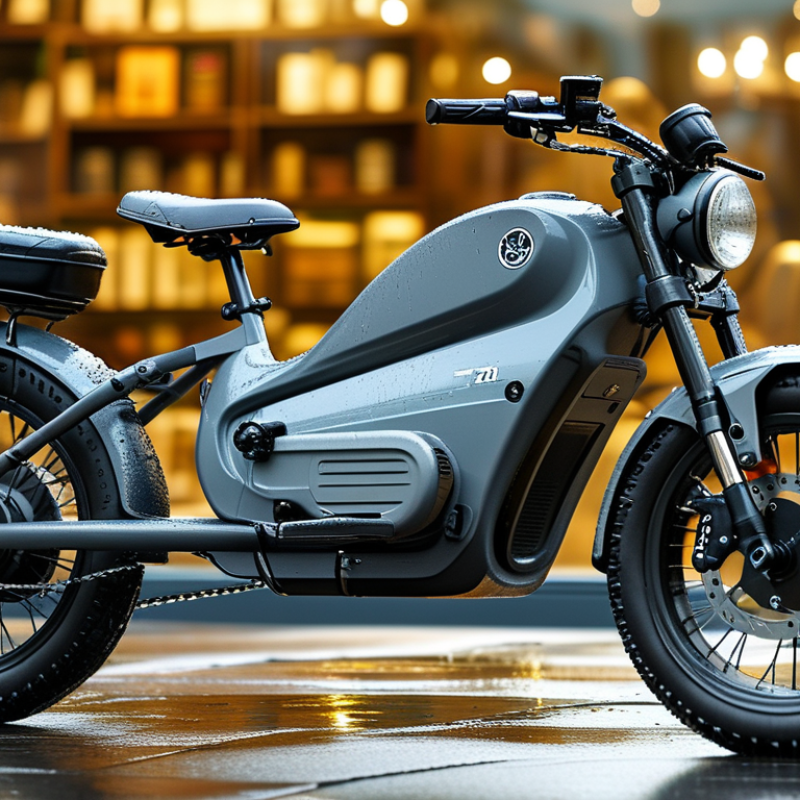
Start with the journey, not the motor. Write down your usual distance, road surface, hills, parking space, and expected load. The Federal Highway Administration’s 2017 National Household Travel Survey found that about 52% of daily trips were three miles or less. Short trips can suit an electric tricycle, but steep streets and poor surfaces may change that decision.
Carry groceries, tools, children, or only yourself? Measure the doorway. Check the cargo area’s dimensions and weight rating. A wide rear axle may improve stability, yet it can make narrow gates difficult. I have seen shoppers focus on battery size, then struggle with turning space at home. That mistake is easy to make.
Test it loaded. Very important. Add realistic weight before judging acceleration, braking, and steering. PeopleForBikes reported more than one million e-bikes sold in the United States during 2022, showing strong demand but not proving every model fits every rider. Treat advertised range as an estimate. Hills, cold weather, tire pressure, and cargo reduce it. Choose controls you can read quickly, especially when wearing gloves. A comfortable seat matters too. An uncomfortable ride may leave the tricycle unused, which is an expensive oversight.
Tip 1: Inspect the frame design before admiring the accessories. A low step-through frame makes mounting easier, especially with groceries or limited leg strength. Check the welds, tubing, and rear load area for clean, even construction. A wide wheelbase usually improves stability, but it can feel awkward in narrow storage spaces. I once underestimated turning width. That mistake matters.
Tip 2: Test the handlebar controls while moving slowly. The display should remain readable in bright daylight, and the buttons should work without releasing your grip. Confirm that the brake levers feel firm, not spongy. Throttle placement also matters. It should not activate accidentally when adjusting your hand position. Practice stopping and starting several times. Small controls can become frustrating with gloves.
Tip 3: Comfort features deserve a real test, not a quick glance. Ride over a rough patch and notice how the saddle, tires, and suspension absorb vibration. An adjustable handlebar can reduce shoulder strain, but too much height may affect steering confidence. Look for a supportive seat, stable pedals, and grips that do not feel slippery. A rear cushion may look comfortable, yet it can reduce useful cargo space. Ask whether the riding position still feels natural after twenty minutes. My first impression was wrong once, because showroom floors hide discomfort.
7 Tips for Buying a Handlebar Electric Tricycle
Tip 1: Test both brake levers separately. Hydraulic or mechanical disc brakes should stop smoothly without pulsing. Tip 2: Check the parking brake on a slope. It should hold the tricycle firmly. The 2023 NHTSA Traffic Safety Facts report recorded 1,166 bicyclist fatalities in the United States. That figure makes braking performance more than a comfort issue. I prefer a short, controlled stop over an aggressive lockup.
Tip 3: Inspect stability at low speed. Ride slowly, turn within a narrow space, and watch for wheel lift. Tip 4: Keep the center of gravity low. A wide rear axle and a stable steering response help, but neither replaces careful loading. Tip 5: Check the rated weight capacity, including the rider, battery, basket, and cargo. Leave a practical reserve of about 20 percent. Capacity claims can look impressive. The fine print matters more. I once underestimated grocery weight, and the steering felt noticeably lighter.
Tip 6: Look for bright front and rear lights, reflectors, mirrors, and a clear horn. WHO’s Global Status Report on Road Safety 2023 estimates 1.19 million annual road deaths worldwide. Visibility deserves daily attention. Tip 7: Ask for testing documents, warranty limits, and replacement-brake availability. Ride over a curb cut before buying. Listen for frame movement, brake noise, or loose handlebars. A perfect checklist does not exist. Your real route may expose weaknesses that a showroom floor hides.
Buying a handlebar electric tricycle requires more than checking motor power. Start with seven practical checks: inspect frame welds, test steering, measure battery range, examine brake access, compare load limits, confirm spare-part availability, and calculate long-term costs. A short test ride can reveal loose handlebars or awkward turning that photographs hide.
Maintenance is usually simple, but it is not free. Ask how often the brakes, tires, chain, and electrical connectors need inspection. Mud around the rear axle can speed up wear. Keep a written service schedule, even for small tasks. I once underestimated tire replacement costs because I focused only on the battery. That was a useful mistake. Also check whether the battery can be removed indoors and stored safely during cold weather.
Warranty coverage deserves careful reading. Confirm the coverage period for the frame, motor, battery, charger, and display separately. Some warranties exclude water damage, overloading, or unauthorized repairs. Ask who pays shipping and labor when a covered fault occurs. Then estimate the total cost: purchase price, accessories, electricity, servicing, replacement tires, and possible battery renewal. A cheaper tricycle may become expensive after two years. Keep every receipt and record unusual noises early. Small warnings matter.
| Tip | What to Check Before Buying | Typical Specification or Cost Range | Maintenance and Warranty Considerations | Why It Matters to Total Cost |
|---|---|---|---|---|
| 1 | Choose the battery type carefully. Compare lithium-ion and sealed lead-acid batteries, including usable capacity, charging procedure, replacement availability, and weight. | Lithium-ion: commonly 36–48 V and approximately 10–20 Ah for many personal-use models. Sealed lead-acid: often less expensive initially but substantially heavier. | Lithium-ion packs commonly have a 12–24 month limited warranty. Sealed lead-acid batteries often require replacement sooner under frequent use. Store either type in a dry location and use only the supplied charger. | Battery replacement is one of the largest ownership expenses. A higher initial price may be justified by lower weight, better efficiency, and a longer service life. |
| 2 | Verify range under realistic conditions. Ask whether the stated range was measured with a light rider on level ground or under loaded, everyday conditions. | Many compact electric tricycles advertise approximately 20–50 miles per charge, but hills, rider weight, cargo, wind, temperature, tire pressure, and riding speed can reduce actual range. | Check tire pressure regularly, avoid storing the battery fully discharged, and keep electrical connectors clean and dry. Range claims should be treated as laboratory or best-case estimates unless test conditions are provided. | A shorter real-world range can lead to more frequent charging, faster battery wear, or the need for a second battery and charging location. |
| 3 | Inspect the motor, controller, and braking system. Confirm the motor rating, hill-start behavior, brake type, parking brake, and availability of replacement parts. | Common motor outputs range from about 250–750 W, depending on local regulations and vehicle design. Mechanical disc or drum brakes are commonly used on utility-style tricycles. | Brake pads, cables, rotors, and tires are wear items. Hydraulic systems may provide strong braking but can require specialist bleeding. A warranty should clearly state whether the motor, controller, display, and charger are covered. | A stronger braking system and serviceable motor components can reduce repair risk, especially when carrying cargo or riding on slopes. |
| 4 | Review frame stability, fit, and load capacity. Check step-through height, handlebar reach, seat adjustment, wheelbase, turning radius, and the rated rider-plus-cargo limit. | Many utility tricycles are rated for roughly 250–400 lb of combined rider and cargo weight, but the exact limit varies by frame, wheel size, and braking design. | Inspect bolts, rack mounts, fenders, and weld areas periodically. Do not exceed the stated load rating, because overloading can accelerate tire, wheel, bearing, frame, and brake wear. | An unsuitable frame may require accessories, modifications, or early replacement. Correct sizing also improves control and reduces accident-related repair costs. |
| 5 | Calculate routine maintenance needs. Ask which tasks can be performed at home and which require a qualified bicycle or electric-vehicle technician. | Typical tasks include tire-pressure checks before rides, chain lubrication every few weeks or after wet rides, brake inspection monthly, and a more complete safety check at least twice a year. | Common wear items include tires, inner tubes, brake pads, chains, freewheels, cables, and bearings. Wet, dusty, or heavily loaded use generally increases service frequency. | A reasonable planning allowance is about $50–$200 per year for routine wear parts and basic service, excluding major battery or accident repairs. Local labor rates can vary significantly. |
| 6 | Read the warranty and service terms line by line. Check duration, covered components, labor coverage, shipping responsibility, exclusions, and the process for obtaining replacement parts. | Limited warranties commonly cover the frame for several years, while electrical components and batteries are often covered for approximately 12–24 months. Terms differ by seller and product. | Confirm whether commercial use, water exposure, overloading, unauthorized modifications, and normal wear are excluded. Keep the purchase receipt, serial information, and maintenance records. | A warranty has greater practical value when parts and technical support are available. A low-priced model with difficult parts access may cost more after the warranty expires. |
| 7 | Compare the complete ownership cost, not just the purchase price. Include delivery, assembly, accessories, electricity, maintenance, battery replacement, insurance, and storage requirements. | A realistic total-cost worksheet should include: Purchase price + delivery and setup + safety accessories + electricity + service and wear parts + eventual battery replacement. | A full recharge for a 48 V, 15 Ah battery uses about 0.72 kWh before charging losses. Actual electricity cost depends on local utility rates and charging efficiency. | The lowest purchase price is not always the lowest total cost. Prioritize durable components, accessible service, a clear warranty, and a battery that can be replaced without replacing the entire vehicle. |