2026 Top TCP Perforating Gun Types for Oil Wells
A Tcp Perforating Gun is chosen before the firing head reaches the well, but its consequences are felt at the perforation tunnel. Gun diameter, shot density, phasing, charge type, and casing clearance all shape the result. There is no universal winner. Not even close.
The U.S. Energy Information Administration’s Drilling Productivity Report tracks oil production and rig productivity across major shale regions. Its basin-level data is a useful reminder: operating conditions differ, so broad averages cannot determine a specific well’s gun design. API Recommended Practice 19B provides standardized procedures for evaluating perforating systems in concrete targets. Those tests offer comparable evidence, though concrete results do not perfectly reproduce downhole rock, stress, or fluid conditions. Field performance still needs judgment.
Perforating specialist John W. Behrmann’s published SPE work informs a practical design principle: match the gun and charge to the target formation and completion constraints, rather than choosing by a catalog headline. This is a paraphrase, not a verbatim quotation. That distinction matters. For 2026, this guide compares common TCP options, including retrievable and expendable systems, and explains where each may fit. It also considers conveyance, pressure and temperature limits, debris, and operational risk. A high shot count may look convincing on paper. Yet clearance, reliable deployment, and the well’s actual objective can matter more. Some trade-offs remain imperfect. The right choice is the one supported by test data, well-specific engineering, and a candid review of what the data cannot prove.
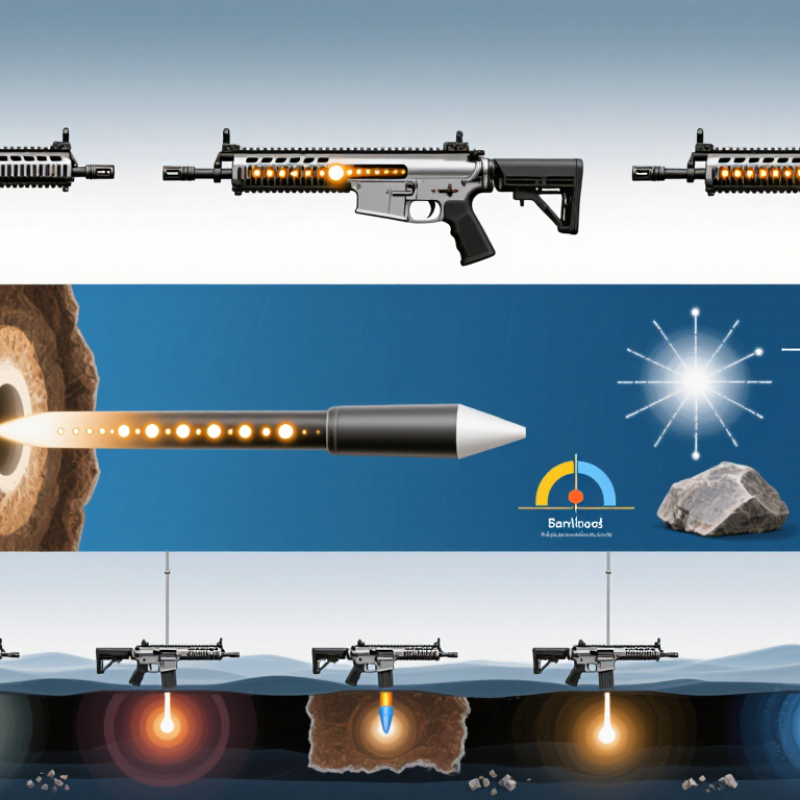
What Is Tubing-Conveyed Perforating and How Does It Work?
Tubing-conveyed perforating (TCP) uses the well’s production tubing or a work string to carry perforating guns downhole. The guns are positioned across a planned interval, then activated by a firing system suited to the well and job design. Shaped charges create small openings through the casing and cement, allowing the well to communicate with the surrounding formation. The exact setup depends on factors such as depth, pressure, temperature, and completion design.
After the guns reach the target, the crew confirms their position and follows the approved firing sequence. Once activated, the charges perforate the selected interval; the string can then be retrieved or left in place, depending on the operation. TCP can be useful for long intervals and certain pressure-control strategies, but it requires careful planning. That sounds simple. It is not. Small errors in depth correlation, equipment selection, or operating steps can affect the result, so job-specific engineering and experienced supervision matter.
Tips: Check depth references and pressure ratings before deployment. Confirm the firing sequence with the full crew. Keep the plan clear, and revisit assumptions when well conditions change. No design is perfect. Good records help improve the next job.
2026 Top TCP Perforating Gun Types for Oil Wells
What Is Tubing-Conveyed Perforating and How Does It Work?
Tubing-conveyed perforating (TCP) runs perforating guns into the well on tubing or another pipe string. The guns are positioned at the target interval and fired using the selected completion’s initiation system. The numbered bars show the workflow order only; they do not represent measured performance or duration. Gun assemblies and retrieval options vary by well design.
What Are the Main Components of a TCP Perforating System?
A tubing-conveyed perforating (TCP) system combines the tubing string, a firing head, and one or more perforating guns. The tubing supports the assembly and provides a route for conveying it to the planned interval. The firing head responds to the selected activation method and initiates the firing sequence. Small details matter.
Inside each gun, shaped charges sit in a steel carrier at designed spacing and orientation. A detonating cord connects the charges to the initiating assembly, transmitting the firing signal along the gun string. The carrier protects and positions the charges during deployment. Some systems also include a packer, anchor, or other downhole tools to support well-specific functions. Exact configurations vary with completion design, pressure conditions, and the intended perforation interval.
Connections and interfaces deserve close attention. A sound equipment list does not prove that every component is compatible or correctly configured. A tidy schematic can hide practical constraints, such as limited clearance or the handling demands of a long assembly. That fit matters. Engineers and qualified crews verify component ratings, connection details, and operating procedures against approved well plans. Even careful planning has limits; conditions downhole may not match surface assumptions exactly.
Which TCP Perforating Gun Types Are Used in Oil Wells?
TCP means the perforating guns are conveyed on tubing or drillpipe, then fired downhole. Oil wells commonly use hollow-carrier, semi-expendable, and expendable guns. Hollow-carrier guns keep most debris inside a retrievable steel body, which can help when wellbore cleanliness matters. Semi-expendable and expendable designs reduce the amount of large steel hardware retrieved, but leave more material downhole. Details vary by gun design.
The right choice depends on casing size, pressure conditions, required shot density, and the completion plan. A hollow carrier may suit a job where debris control is important; a smaller or expendable system may fit tighter access constraints. That trade-off is easy to oversimplify. A gun that fits the well does not automatically deliver the desired formation entry.
API RP 19B, Evaluation of Well Perforators, sets out standardized target tests and reports measurements such as penetration depth and entrance-hole dimensions. These results help compare performance under stated test conditions; they are not universal field guarantees. Review the actual test data alongside well-specific conditions. A concrete target is not the reservoir. That difference matters.
How Do TCP Gun Designs Compare in Performance and Application?
TCP gun designs differ mainly in carrier construction, diameter, shot density, and retrieval method. Hollow-carrier guns protect charges and help contain debris, making them useful where wellbore cleanliness matters. Expendable designs can fit tighter restrictions, but fragments may complicate cleanup. Retrievable systems support controlled deployment and recovery, though added hardware can limit available gun diameter. These trade-offs affect penetration, perforation flow, and operational risk; no design wins in every completion.
For a fair comparison, use standardized test results rather than brochure claims. API Recommended Practice 19B defines testing that records penetration depth and entrance-hole diameter, among other performance measures. These measurements help compare charge systems under stated conditions, but they do not guarantee identical field results. Formation strength, casing, cement, pressure, and shot orientation all matter. SPE technical papers on perforating and completion design likewise emphasize matching gun geometry and operating conditions to the target interval. Field data should state its test setup. That detail is easy to miss.
Tips: Compare the same casing size, charge type, and test conditions. Check debris behavior and retrieval needs. A small mismatch can change the result.
How Should Operators Select a TCP Gun for Well Conditions?
A TCP gun should fit the well, not just the completion plan. Start with verified casing and tubing dimensions, expected downhole pressure and temperature, and the planned conveyance method. A gun that clears one section may not pass a restriction farther downhole. Measure the full path.
Deviation and available run length matter too. In a highly deviated well, conveyance and gun positioning can become less predictable. The selected assembly should match the well’s geometry and the operator’s deployment plan. Check clearance, connection limits, and compatibility with the completion. Small details matter here.
Then consider the formation and the objective of the perforating interval. Charge type, shot density, and phasing should be assessed against rock properties, casing, and the desired inflow pattern. More shots are not automatically better. They can affect gun capacity and debris management. I would be cautious about relying on a standard configuration just because it worked in a nearby well. Nearby is not identical.
Before final selection, review the latest well records and confirm assumptions with completion and perforating specialists. Look closely at pressure barriers, temperature limits, gun length, and any restrictions that could affect deployment or retrieval. If key data are missing, pause and resolve them. That can feel inconvenient. It is still better than treating an estimate as a measured fact. Record why the chosen configuration suits this well, including its limitations, so later reviews can test the decision rather than guess at it.



 Distributors
  SDS Download
  Contact